
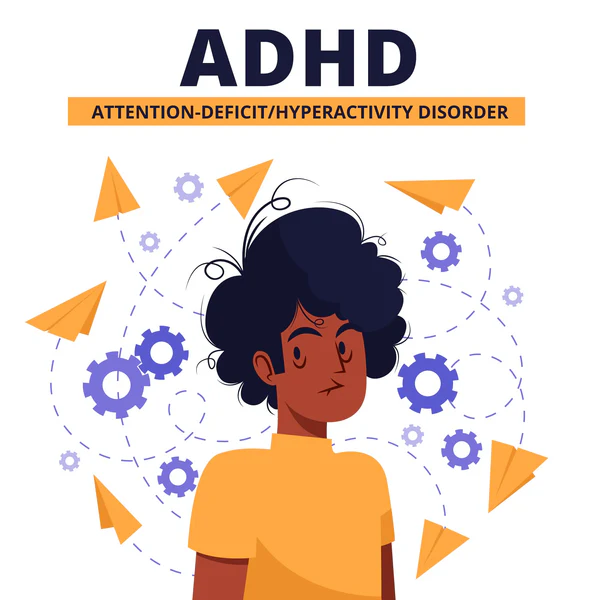
What Is ADHD?
Attention-Deficit/Hyperactivity Disorder (ADHD) is a neurodevelopment condition that affects attention, impulse control, and activity levels. While it’s often associated with childhood, ADHD can continue into adolescence and adulthood — and in many cases, it’s not diagnosed until later in life. ADHD is not a result of laziness, lack of intelligence, or poor parenting. It’s a brain-based difference in how individuals process information, regulate focus, and manage behaviour and emotions.
There are three types of ADHD:
Predominantly Inattentive Type (formerly ADD)
Predominantly Hyperactive-Impulsive Type
Combined Type (inattentive + hyperactive/impulsive)
Frequently Asked Questions
How Do We Experience ADHD?
ADHD can affect each person differently. Some people may struggle mainly with focus, while others may find it hard to sit still or control impulses. The challenges often vary by age and environment.
Common Symptoms of Inattention:
Difficulty staying focused or following through on tasks
Frequently losing things (keys, phone, papers)
Struggling with organization and time management
Seeming to “zone out” or appear not to listen
Avoiding tasks that require sustained effort (like reading or paperwork)
Common Symptoms of Hyperactivity/Impulsivity:
Feeling restless or fidgety
Talking excessively or interrupting others
Difficulty sitting still or waiting your turn
Making quick decisions without considering consequences
Acting on impulse or feeling driven by urgency
Emotional and Social Effects:
Frustration, irritability, or mood swings
Low self-esteem from feeling “different” or misunderstood
Struggles in relationships due to impulsive words or forgetfulness
Anxiety or depression (often co-occurring)
ADHD can affect school, work, family life, and friendships — but it can also come with strengths, such as creativity, energy, and out-of-the-box thinking, when properly supported.
Is ADHD Treatable?
Yes — ADHD is very treatable, and many people learn to manage their symptoms effectively and thrive with the right support. Treatment often includes a combination of therapeutic, behavioural, educational, and sometimes medical approaches.
Common and Effective Treatments Include:
Cognitive Behavioural Therapy (CBT):
Helps manage negative thinking patterns, develop routines, and improve emotional regulation.ADHD Coaching or Skills Training:
Focused on building practical tools for organization, time management, and prioritizing tasks.Parent Training (for children with ADHD):
Empowers caregivers with strategies to reduce conflict, build structure, and support development.Medication:
Stimulant and non-stimulant medications can be effective in improving focus, reducing impulsivity, and regulating activity levels. Medication decisions are best made in consultation with a medical provider.Mindfulness and Emotional Regulation Techniques:
Help reduce overwhelm and increase awareness of focus and energy patterns.Environmental and Lifestyle Supports:
Creating structure, using visual reminders, limiting distractions, and promoting good sleep, nutrition, and physical activity can all support better functioning.
When to Seek Help
If you or your child is struggling with focus, organization, impulsivity, or restlessness that affects daily life, relationships, or well-being, a professional ADHD assessment can provide clarity — and a path forward.