
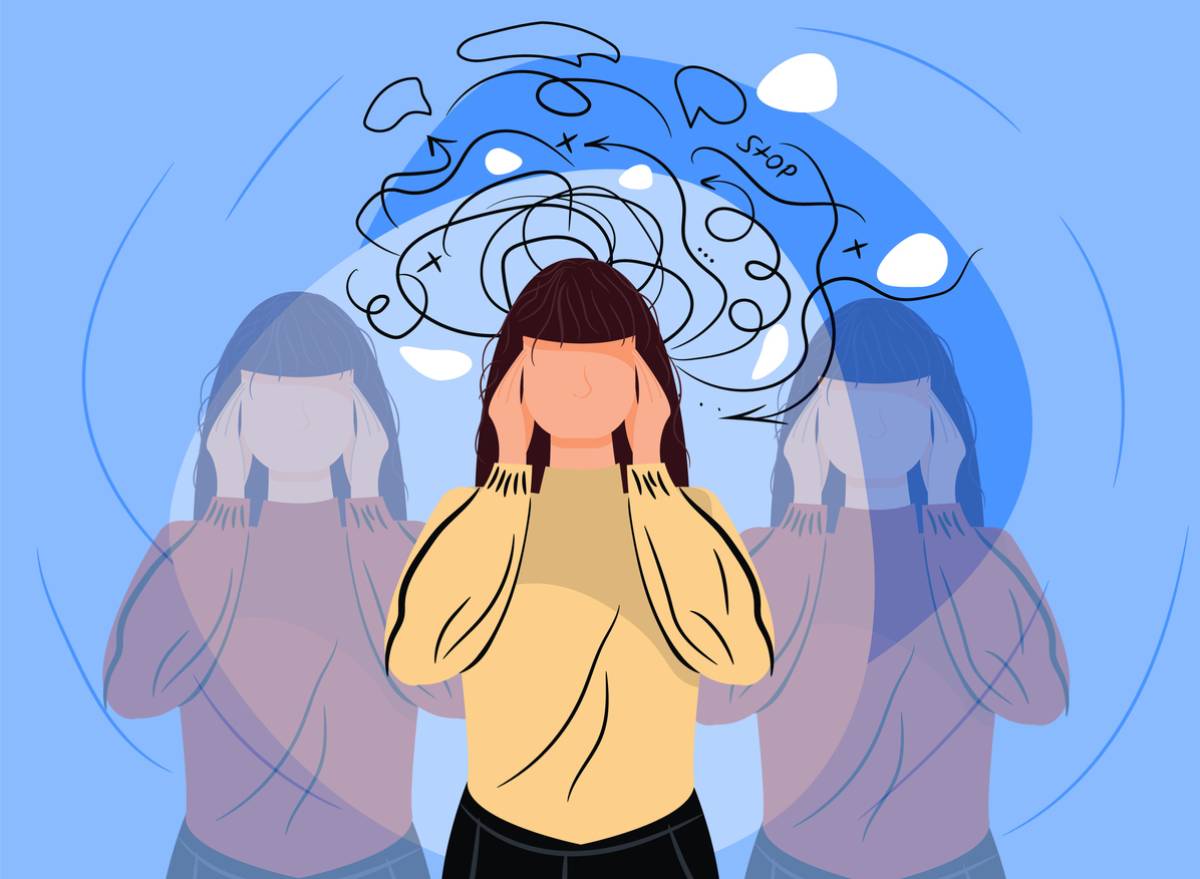
What Is Trauma?
Trauma is the emotional and psychological response to deeply distressing or disturbing experiences — such as abuse, violence, accidents, loss, or chronic stress — that overwhelm your ability to cope. These events can leave a lasting impact, especially when your mind and body don’t get the support needed to fully process what happened.
Trauma isn’t defined by the event itself, but by how it affects you. Two people might experience the same situation but respond very differently — and that’s completely normal. There is no “right” way to feel after a traumatic experience.
Frequently Asked Questions
How Do We Experience Trauma?
Trauma affects both the mind and body, and its symptoms can be immediate or delayed — sometimes surfacing weeks, months, or even years after the event.
Emotional & Psychological Symptoms:
- Intense fear, anxiety, or panic
- Numbness or detachment
- Intrusive thoughts, flashbacks, or nightmares
- Guilt, shame, or self-blame
- Hypervigilance or feeling “on edge”
Physical Symptoms:
- Chronic tension or pain
- Fatigue and sleep disturbances
- Racing heart or digestive issues
- Feeling disconnected from your body (dissociation)
Behavioural Changes:
- Avoiding places, people, or activities
- Withdrawing socially
- Difficulty trusting others
- Using substances or distractions to cope
These are not signs of weakness — they’re survival responses. Your nervous system is doing its best to protect you, even long after the danger has passed.
Is Trauma Treatable?
Yes — trauma is highly treatable. With the right approach and support, it’s possible to process painful memories, restore your sense of safety, and move forward with resilience.
Evidence-Based Trauma Treatments Include:
- Eye Movement Desensitization and Reprocessing (EMDR):
EMDR is a widely recognized therapy for trauma that helps the brain reprocess distressing memories in a safe and controlled way. Through guided eye movements or other forms of bilateral stimulation, EMDR allows the brain to “unstick” from past trauma and begin healing. It’s especially effective for PTSD, childhood trauma, and single-event trauma. - EMDR for Children and Adolescents:
Children process trauma differently than adults, and EMDR can be adapted to suit their developmental level. Through play-based techniques, storytelling, and age-appropriate bilateral stimulation, EMDR for kids helps reduce anxiety, nightmares, and emotional distress. It’s often used to treat fears, abuse, accidents, loss, and bullying. - Trauma-Focused Cognitive Behavioral Therapy (TF-CBT):
- Helps individuals identify and challenge harmful beliefs, manage triggers, and regain control over their thoughts and emotions.
- Somatic and Body-Based Therapies:
These approaches (like Somatic Experiencing and Sensorimotor Psychotherapy) focus on how trauma is held in the body and use gentle techniques to release tension and restore a sense of physical safety. - Mindfulness and Nervous System Regulation:
Breathing exercises, grounding practices, and mindful movement (like trauma-informed yoga) help calm the body and improve emotional regulation. - Group Therapy and Peer Support:
Healing in community with others who understand can reduce feelings of isolation and promote shared recovery.
When to Seek Help?
If past experiences are still affecting your emotions, relationships, or daily life, it may be time to speak with a trauma-informed therapist. Trauma doesn’t go away by ignoring it — but it can be processed and healed, safely and gradually.
You Are Not Alone — And You Can Heal
Trauma may shape your story, but it does not define who you are. Whether you’re seeking help for yourself, your child, or a loved one, healing is possible — and you don’t have to do it alone.