
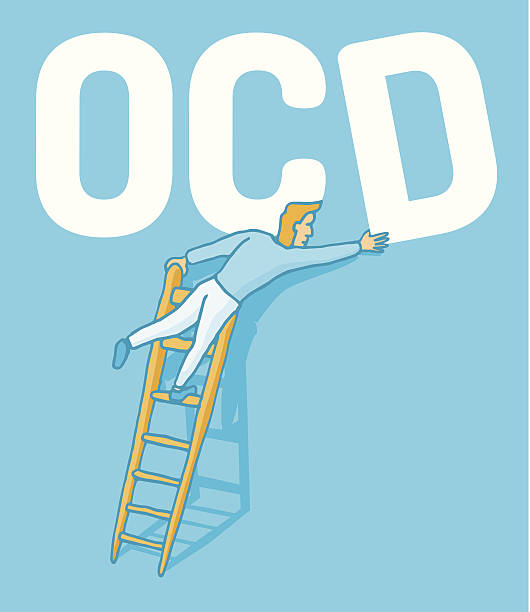
What Is OCD?
Obsessive-Compulsive Disorder (OCD) is a mental health condition characterized by unwanted, intrusive thoughts (obsessions) and repetitive behaviors or mental rituals (compulsions) aimed at reducing the distress these thoughts cause.
While many people experience occasional unwanted thoughts or double-check things now and then, OCD is more intense and persistent. It can significantly interfere with daily life, relationships, and well-being.
OCD is not just about being “neat” or “a perfectionist” — it’s a misunderstood and often stigmatized condition that can affect people of all ages.
Frequently Asked Questions
How Do We Experience OCD?
OCD shows up differently for each person, but it always involves a cycle of obsessions and compulsions.
Obsessions
Obsessions are unwanted, distressing thoughts, images, or urges that feel intrusive and hard to control. Common examples include:
Fear of contamination (germs, dirt, illness)
Doubts about safety (e.g., “Did I lock the door?”)
Unwanted violent or sexual thoughts
Need for things to be “just right”
Religious or moral concerns (scrupulosity)
Fear of harming others (even unintentionally)
These thoughts are ego-dystonic, meaning they go against the person’s values and cause significant anxiety.
Compulsions
Compulsions are actions — either physical or mental — done to try to neutralize, suppress, or relieve the anxiety caused by the obsessions. Examples include:
Excessive cleaning or handwashing
Repeating actions or phrases a specific number of times
Checking locks, appliances, or safety repeatedly
Mentally reviewing or “undoing” thoughts
Avoiding triggers altogether
These behaviors often bring short-term relief but reinforce the cycle of OCD over time.
Is OCD Treatable?
Yes — OCD is highly treatable, and with the right support, people can manage symptoms and reclaim their lives.
Evidence-Based Treatments for OCD Include:
Exposure and Response Prevention (ERP):
The gold standard for OCD treatment, ERP helps individuals gradually face their fears (exposure) without engaging in compulsions (response prevention). Over time, the anxiety decreases, and the brain learns that the feared outcomes don’t occur or aren’t as dangerous as they seem.Cognitive Behavioural Therapy (CBT):
CBT helps identify and challenge unhelpful thinking patterns. It’s often combined with ERP for optimal results.Medication:
Certain medications, such as SSRIs (selective serotonin reuptake inhibitors), can help reduce OCD symptoms, especially in moderate to severe cases.Psychoeducation and Support:
Learning about OCD and understanding how it works is a powerful first step toward healing. Family support and therapy groups can also make a big difference.Mindfulness and Acceptance Strategies:
These approaches help people live alongside uncertainty and intrusive thoughts without getting stuck in compulsive cycles.
When to Seek Help
If you’re struggling with distressing thoughts or rituals that interfere with your daily life, relationships, or peace of mind, it may be time to talk with a therapist trained in OCD treatment. OCD isn’t something to “snap out of” — but with help, you can learn to manage it and thrive.
OCD Is Treatable — Help Is Available
Living with OCD can feel isolating and exhausting, but you are not alone. Effective, evidence-based treatment exists — and recovery is possible.