
What Is Depression?
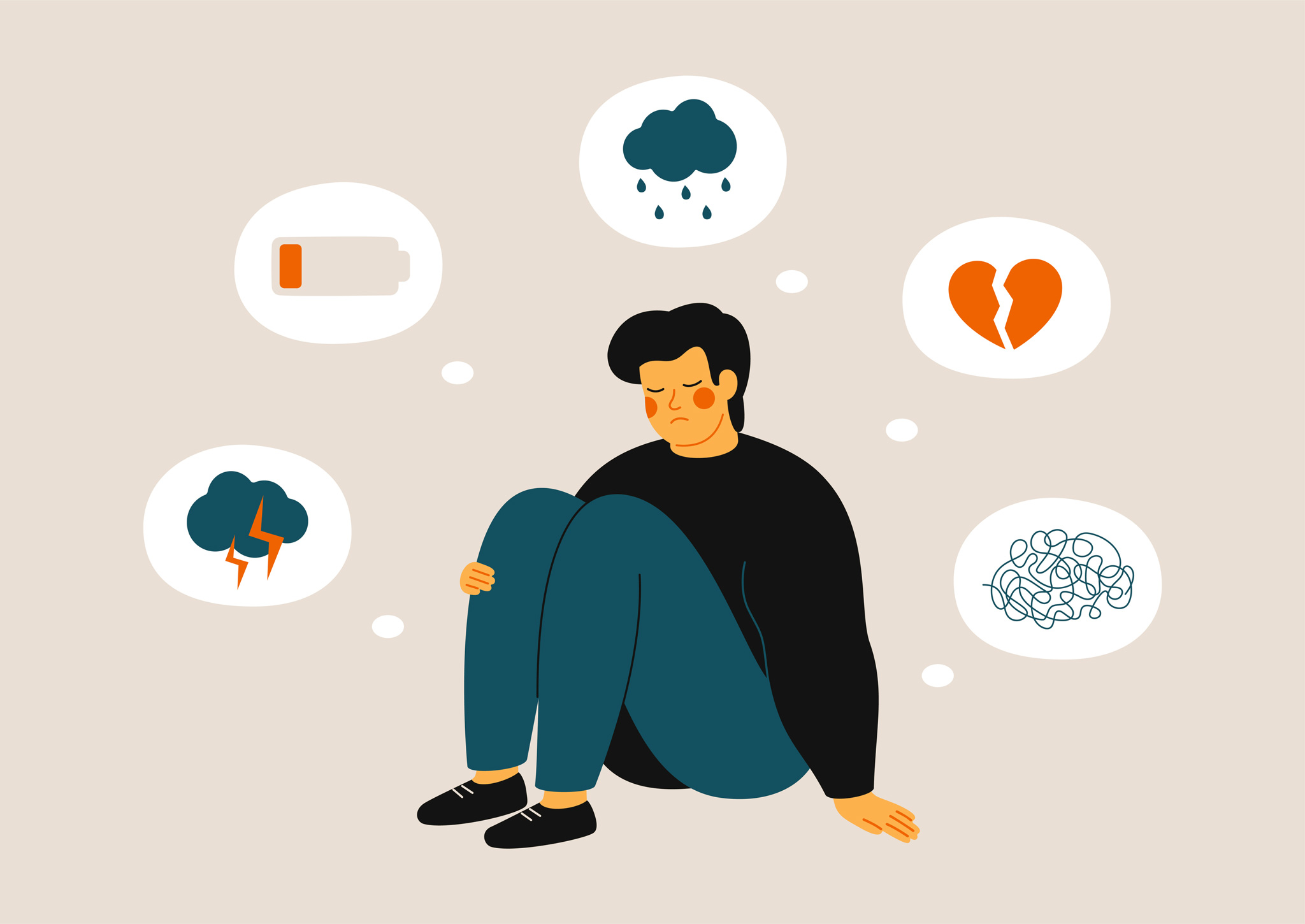
Depression is more than just feeling sad or having a bad day — it’s a serious but treatable mental health condition that affects how you feel, think, and function. It can drain your energy, affect your relationships, and make even simple tasks feel overwhelming.
Depression doesn’t mean you’re weak, and it’s not something you can just “snap out of.” It’s a medical condition with emotional, cognitive, physical, and behavioural symptoms that require support and care.
Common types of depression include:
Major Depressive Disorder (MDD)
Persistent Depressive Disorder (Dysthymia)
Seasonal Affective Disorder (SAD)
Postpartum Depression
Bipolar Depression (depressive episodes within bipolar disorder)
Frequently Asked Questions
How Do We Experience Depression?
Depression can affect each person differently, and the symptoms can range from mild to severe. Often, it impacts multiple areas of life.
Emotional Symptoms:
- Persistent sadness, emptiness, or hopelessness
- Loss of interest or pleasure in things you used to enjoy
- Feelings of worthlessness, guilt, or self-blame
- Increased irritability or frustration
Cognitive Symptoms:
Trouble concentrating or making decisions
Negative thinking patterns
Recurrent thoughts of death or suicide (in severe cases)
Physical Symptoms:
Changes in sleep (insomnia or oversleeping)
Changes in appetite or weight
Fatigue or lack of energy
Unexplained aches or pains
Behavioural Symptoms:
Withdrawing from friends, family, or activities
Reduced productivity
Neglecting responsibilities or self-care
If these symptoms persist for more than two weeks and interfere with your day-to-day functioning, it may be time to reach out for help.
Is Depression Treatable?
Yes — depression is treatable, and with the right support, many people recover and go on to live fulfilling lives. The first step is acknowledging how you feel and seeking help.
Effective Treatments Include:
Cognitive Behavioural Therapy (CBT): Helps address negative thought patterns and develop more balanced, constructive ways of thinking.
Interpersonal Therapy (IPT): Focuses on improving relationships and social functioning, which can play a key role in mood.
Medication: Antidepressants can help regulate brain chemistry, especially when symptoms are moderate to severe. Medication is often most effective when combined with therapy.
Lifestyle Changes:
Regular exercise, a healthy sleep schedule, nutritious eating, reducing alcohol, and building social support can help support recovery.
Mindfulness & Self-Compassion Practices: These can improve emotional regulation and reduce self-criticism.
When to Seek Help
You don’t need to have all the symptoms to be experiencing depression, and you don’t need to wait until things feel unmanageable to get help. If you’re struggling with low mood, loss of interest, or emotional numbness, reaching out to a psychologist is a courageous and important step.
You Are Not Alone
Depression is common — and it is treatable. Whether you’re facing it for the first time or have been living with it for a while, you don’t have to go through this alone.