
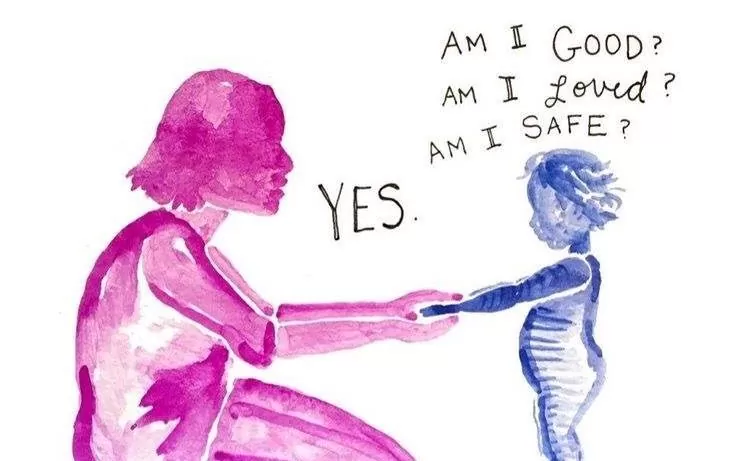
What Is Childhood Attachment Trauma?
Childhood attachment trauma occurs when a child’s early emotional needs for safety, connection, and comfort are not consistently met. This can result from neglect, emotional unavailability, abuse, abandonment, or chaotic caregiving — especially during the critical early years when the brain and nervous system are developing rapidly.
When a child experiences a break in trust with their caregiver, it can shape how they view themselves, others, and relationships for the rest of their life. This is known as attachment trauma — and its effects often last into adulthood unless addressed.
This kind of trauma isn’t always caused by overt abuse. Even well-meaning caregivers may unintentionally create insecure attachment patterns due to their own unprocessed trauma, mental health challenges, or inconsistent emotional responses.
Frequently Asked Questions
How Do We Experience Childhood Attachment Trauma?
Attachment trauma may not always be obvious. Its effects often show up later in life, especially in close relationships or during periods of stress. It can influence how we connect with others, regulate our emotions, and even view our own self-worth.
In Childhood, Symptoms May Look Like:
Intense fear of separation or abandonment
Difficulty trusting others or forming friendships
Withdrawal or excessive clinginess
Emotional outbursts or shutdowns
Poor self-esteem or self-blame
In Adolescence and Adulthood, It Might Show Up As:
Fear of intimacy or emotional vulnerability
People-pleasing or difficulty setting boundaries
Avoidance of closeness or constant need for reassurance
Chronic anxiety or depression
Difficulty regulating emotions (feeling too much or nothing at all)
Feeling “not good enough,” unlovable, or overly responsible for others’ feelings
These patterns can be confusing and distressing, especially if you don’t remember a specific traumatic event. But emotional neglect, inconsistent caregiving, or repeated emotional injuries can have just as deep an impact as more visible forms of trauma.
What are common effects of childhood abuse on mental health?
Yes — while attachment trauma runs deep, healing is absolutely possible. Therapy can help you understand your past, rewire your emotional responses, and build healthier, more secure relationships.
Effective Treatments May Include:
Attachment-Focused Therapy:
Builds a safe therapeutic relationship where you can explore early experiences and develop new patterns of emotional connection.EMDR (Eye Movement Desensitization and Reprocessing):
Helps process and release the emotional pain of early attachment wounds, especially when linked to specific memories or feelings of abandonment or rejection.Inner Child Work:
Focuses on reconnecting with and nurturing the wounded child within — often using imagery, journaling, and compassion-based practices.Somatic Therapies (e.g., Sensorimotor Psychotherapy, Somatic Experiencing):
Help address how attachment trauma is stored in the body, promoting emotional regulation and a sense of internal safety.Internal Family Systems (IFS): A gentle approach that helps you understand and care for the “parts” of yourself that developed in response to early pain or fear.
Parent-Child Therapy (for current parents):
Supports breaking generational cycles by helping caregivers form secure bonds with their own children while healing themselves.
Healing takes time, but the brain and nervous system are capable of change at any age. Through consistent, compassionate support, you can develop the secure connection with yourself and others that you may have missed early on.
When to Seek Help
If you find yourself repeating painful relationship patterns, struggling with self-worth, or feeling emotionally stuck without a clear reason, attachment trauma could be playing a role. Therapy can help you make sense of your story — and rewrite it in a way that feels safer and more whole.
You Deserve Safe, Lasting Connection
The wounds of early attachment trauma may run deep, but they are not permanent. With the right tools and support, you can heal, grow, and create the kinds of relationships — with yourself and others — that feel secure, loving, and real.